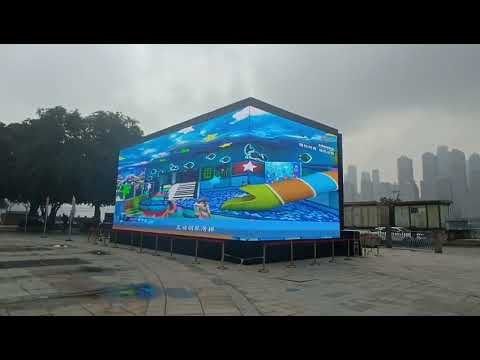
The Ultimate LED Wall Installation Guide: Step-by-Step Process and Best Practices – 26 June 2025
Posted on Jun 25, 2024•By admin
Introduction
Define LED walls and their significance in modern visual communication.
Introduce the importance of a comprehensive installation guide for achieving optimal performance.
Pre-Installation Preparation
Assess the installation site: indoor or outdoor, dimensions, lighting conditions, viewing angles, and ambient light.
Conduct a thorough site survey to identify potential obstacles, power sources, structural considerations, and viewing distances.
Planning and Design
Develop a detailed installation plan encompassing wall placement, mounting methods, cabling routes, power requirements, and ventilation.
Utilize CAD software or digital mockups to visualize the final installation layout and address potential issues.
Equipment and Tools
Gather essential equipment including LED panels, mounting brackets, power supplies, control systems, cables, and safety gear.
Ensure you have the necessary tools such as drills, screwdrivers, wrenches, measuring devices, and cable management solutions.
Installation Process
Prepare the installation surface by ensuring it is clean, flat, sturdy, and capable of supporting the weight of the LED wall.
Securely install mounting brackets or frames following manufacturer guidelines, structural engineer recommendations, and local building codes.
Handle LED panels with care during installation to avoid damage to components and connectors.
Connect LED panels, power sources, control systems, and signal cables according to specifications and wiring diagrams provided by the manufacturer.
Conduct thorough testing, calibration, and quality checks to verify proper functionality, color balance, brightness uniformity, and image clarity.
Safety Measures
Prioritize safety by implementing proper ladder safety practices, using personal protective equipment (PPE), and securing the work area to prevent accidents.
Ensure electrical safety by following best practices for wiring, grounding, surge protection, and circuit isolation.
Fine-tune LED wall settings such as brightness, contrast, color temperature, color gamut, refresh rate, and pixel mapping to achieve optimal visual performance.
Perform color calibration using specialized equipment or software to ensure accurate color reproduction and consistency across the entire LED wall.
Maintenance and Troubleshooting
Establish a regular maintenance schedule for cleaning, dust removal, inspection, firmware updates, and software upgrades.
Train maintenance personnel on routine checks, troubleshooting procedures, and emergency protocols to address common issues promptly.
Keep a detailed log of maintenance activities, repairs, component replacements, and service records for future reference.
Compliance and Regulations
Adhere to industry standards, manufacturer guidelines, building codes, electrical codes, and safety regulations governing LED wall installations.
Obtain necessary permits, approvals, and certifications from local authorities and regulatory bodies before commencing installation work.
Documentation and Training
Document the entire installation process, including plans, schematics, wiring diagrams, testing results, calibration settings, and maintenance schedules.
Provide comprehensive training to end-users, technicians, and facility managers on operating the LED wall, content management, troubleshooting, and safety protocols.
Conclusion
Summarize the key steps, best practices, and recommendations for successful LED wall installation.
Emphasize the importance of meticulous planning, precise execution, ongoing maintenance, and adherence to safety standards for achieving a high-quality and reliable LED wall system.